How to Spot and Prevent Tree Hazards on Your Property
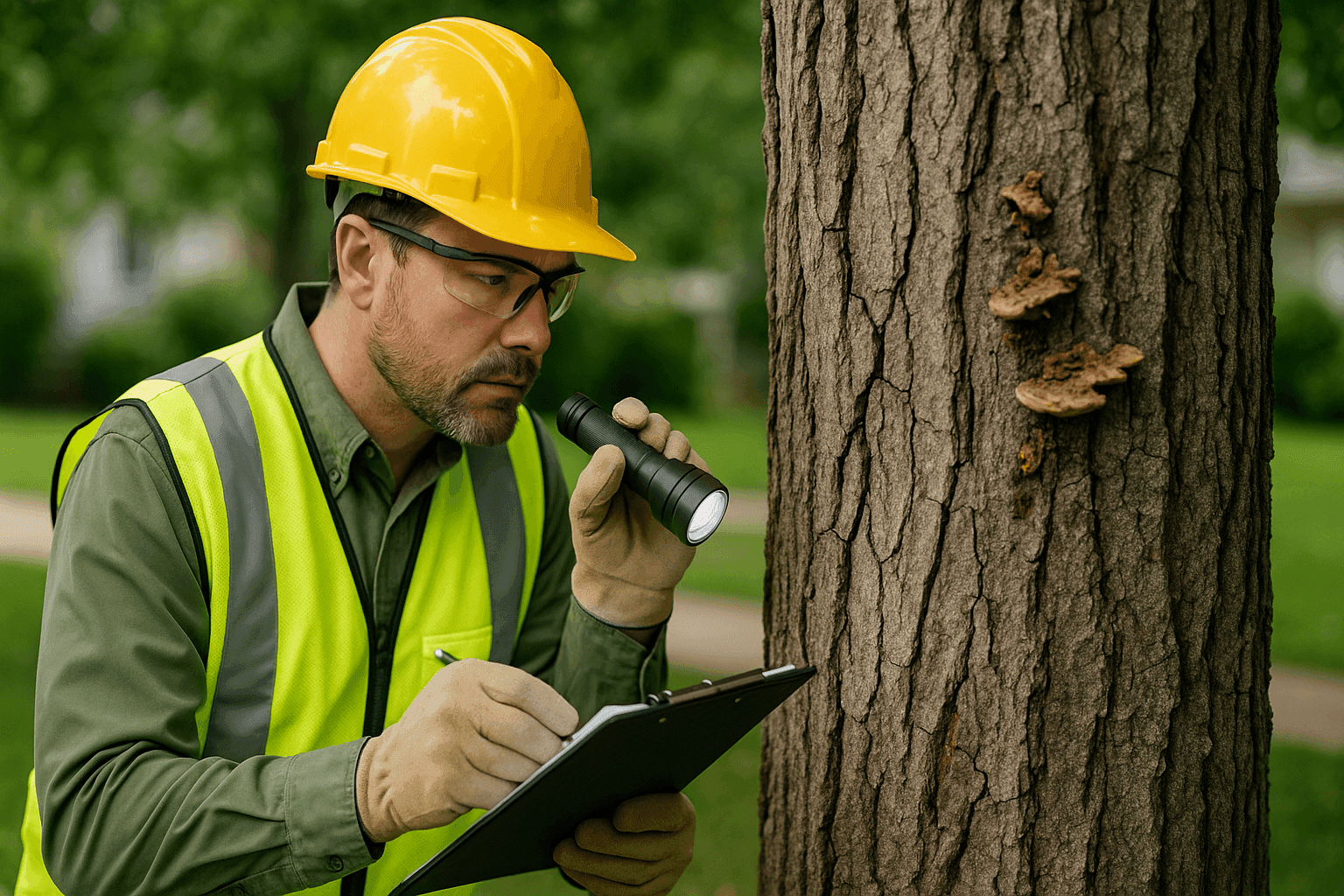
When you look at the trees on your property, you probably see shade, beauty, maybe even childhood memories. But hidden threats can grow quietly among those branches and roots. Every year, property owners face costly damage, injuries, and even power outages—all caused by unseen hazards in their trees.
At Elite Tree & Stump, we know how quickly a healthy-looking tree can become a risk. Whether you manage a business campus, a rental property, or a family yard, recognizing warning signs early is the first step to safer, stronger trees.
Why Tree Hazards Matter 🌳
A leaning oak may look picturesque, but it can become a real-life wrecking ball. Tree hazards aren’t just about falling branches—they’re about the safety of your family, customers, employees, and the places you call home or work.
- Injuries and Liability: Falling limbs or trees can cause severe injuries, sometimes with legal consequences.
- Building and Vehicle Damage: Roofs, fences, cars—no structure is immune if a large limb comes down.
- Business Disruption: For commercial sites, blocked entrances or downed power lines can halt operations.
- Fire and Utility Risks: Trees tangled in wires can spark fires or cause power outages.
The International Society of Arboriculture and local safety codes stress the importance of routine inspections. Ignoring the warning signs isn’t just risky—it can be costly.
Common Warning Signs: Quick Safety Checklist ✅
Trees speak in subtle signs. Here’s what to watch for every season:
- Leaning or Unstable Trees: Notice a tree tilting more than usual? Sudden lean? That’s a red flag.
- Cracks and Splits: Vertical splits in the trunk or major limbs can signal internal weakness.
- Fungi or Mushrooms: Mushrooms at the base often mean root rot. Fungi on bark can spell decay.
- Dead or Hanging Limbs: Branches without leaves in summer? Cracking limbs after a storm? Hazardous.
- Root Damage: Construction, trenching, or exposed roots can destabilize even large trees.
- Cavities and Holes: Hollows in trunks or major limbs weaken structural integrity.
- Peeling Bark or Sudden Leaf Drop: These can indicate disease or pest infestation.
- Unusual Growths or Swellings: Often signs of underlying health problems.
- Wires or Cables in Canopy: Trees tangled with utility lines are always high risk.
- Seasonal Risks: Ice, snow, and high winds can turn minor issues into emergencies.
If any of these hit home, it’s time for a closer look—or to call in the pros.
Preventive Steps: Keep Hazards at Bay
Prevention is like regular exercise for your trees. A few small habits go a long way:
1. Regular Inspections
Walk your property and look up—really look. Do this at least twice a year, especially after storms. The Occupational Safety and Health Administration (OSHA) recommends regular safety surveys for commercial sites.
2. Pruning and Trimming
Remove dead, diseased, or overhanging branches. Routine tree trimming keeps weight balanced and prevents limbs from threatening roofs, paths, or power lines.
3. Soil and Root Care
Healthy trees start below ground. Mulch out from the trunk (not against it), water during dry spells, and avoid compacting soil above roots. Fertilizing can boost resilience, but don’t overdo it.
4. Cabling and Bracing
If a valuable tree has a split limb or weak fork, a professional can install steel cables or braces. This supports the structure and may buy years of extra life.
5. Engage a Certified Arborist
Some risks hide below the surface. Certified arborists use tools and training to spot internal decay, insect damage, or structural faults invisible to the untrained eye.
Professional vs. DIY Tree Inspection
You might be tempted to handle tree_services yourself. Some tasks—like clearing small branches or mulching—are safe for most property owners. But:
- Hidden Hazards: Internal decay, root disease, or high branches can be deadly if mishandled.
- Equipment and Training: Certified pros use specialized tools and follow industry safety standards.
- Insurance and Liability: Improper tree removal or pruning can void insurance and create legal headaches.
DIY is fine for quick visual checks. When in doubt—or when large limbs, power lines, or heavy equipment are involved—don’t risk it. Call for help.
What Professionals Do On Arrival
When Elite Tree & Stump arrives (day or night—24 Hour Service near you), here’s what you can expect:
- Thorough Assessment: We walk the site, inspect each risk zone, and check for hidden threats.
- Safety First: Ropes, harnesses, and sometimes cranes keep everyone safe—on the ground and in the tree.
- Clear Communication: We walk you through the issues and outline safe, effective solutions—whether it’s pruning, cabling, bracing, or removal.
- Cleanup: Storm damage or emergency tree_services include full debris removal and site clearing.
Ongoing Maintenance: The Key to Healthy Trees
Think of tree care like dental checkups—routine prevention beats costly emergencies.
- Seasonal Pruning: Schedule after leaf drop (for shape and structure) and before spring growth.
- Fertilizing and Mulching: Promote root health and fend off disease.
- Arborist Consultations: Annual or biannual check-ins are wise for large properties or mature trees.
- Stump Grinding: After removal, grinding stumps helps prevent trip hazards and pest invasions.
- Storm Prep: Before hurricane or ice season, inspect and trim at-risk branches.
Costs & Time Factors
Tree hazard prevention doesn’t have to break the bank—but costs vary:
- Small Pruning Jobs: Usually quick, often completed within a day.
- Major Removals or Storm Cleanup: Can require cranes, extra crew, and several days—especially after severe weather.
- Cabling/Bracing: Moderate time, depends on tree size and access.
- Emergency Services: 24 Hour Service means higher urgency, but safety comes first.
Remember, delaying action can lead to greater expenses—damaged roofs, lost power, or personal injuries.
When It’s an Emergency 🚨
Certain situations need immediate action:
- Tree on a Structure or Car: Don’t attempt removal yourself. Call emergency tree_services.
- Downed Trees Blocking Roads or Entrances: Safety and liability are at stake.
- Trees Tangled in Utility Lines: Always alert your utility provider first, then call the pros.
- Storm Damage: Broken, hanging limbs or split trunks after high winds or ice storms can fall at any moment.
Elite Tree & Stump responds 24/7—because tree hazards don’t wait for business hours.
Frequently Asked Questions
Q: How often should I inspect my trees?
A: At least twice a year and after major storms. Commercial properties may require more frequent checks, as recommended by ISA and local codes.
Q: What if my neighbor’s tree is leaning toward my property?
A: Document the concern and communicate with your neighbor. Local ordinances may apply, especially if the hazard is imminent.
Q: Can I prune large limbs myself?
A: If you need a ladder or chainsaw—or if the limb is over a structure or power line—leave it to certified professionals.
Q: What’s included in an arborist consultation?
A: Visual inspection, risk assessment, site-specific recommendations, and a maintenance plan.
Local & Seasonal Considerations
Every region has its own threats—ice, windstorms, drought, or hurricanes. Before winter, trim risky limbs and clear debris. In spring, inspect for disease or insect activity. During the holidays, never hang lights from weak or dead branches, and use outdoor-rated cords to reduce fire risk.
If you manage a commercial property, review local codes for tree clearance around sidewalks, signage, and utilities. The American National Standards Institute (ANSI) A300 guidelines offer best practices for pruning and safety.
Spotting tree hazards early can save money, prevent injuries, and keep your property looking its best. For reliable tree_services—day or night—Elite Tree & Stump is ready to help.
Call Elite Tree & Stump now — or reach us anytime at 888-892-5655 .